
Pain Management
Ayurvedic Pain Management at Ananthadhri: Enduring Relief, Rooted in Nature
Pain is more than a sensation—it is an experience that can confine your body, cloud your mind, and limit your life. Whether it’s a sharp twinge in your back, the persistent ache of arthritis, or the fiery nerve pain of sciatica, chronic pain becomes a constant, unwelcome companion.
At Ananthadhri Ayurveda, we understand that pain is not merely a symptom to be silenced; it is a critical signal from your body that something is out of balance. Under the expert guidance of Dr. A. Swetha, MD (Ayu), we offer a compassionate, profound alternative to merely masking discomfort. Our approach seeks to understand the language of your pain, treat its underlying cause, and restore your body’s innate capacity for comfort and movement.
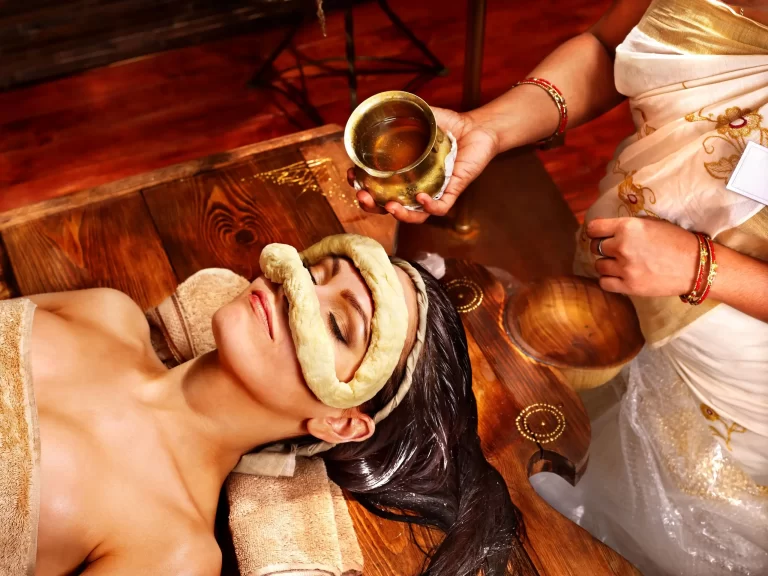
Understanding Pain: The Ayurvedic Perspective
In Ayurveda, pain is primarily known as Shoola, and it is overwhelmingly linked to an imbalance of Vata Dosha. Vata is the energy of movement—it governs your nervous system, joint function, and circulation.
Pain occurs when Vata becomes aggravated and disturbed, often due to:
- Toxins (Ama): Poor digestion creates sticky toxins that can lodge in joints and tissues, causing inflammation and obstruction.
- Tissue Depletion: When the body’s nourishing tissues (like muscle or joint fluid) are weak or dry, Vata moves erratically, creating instability and pain.
- Physical or Emotional Stress: Injury, overuse, anxiety, and trauma can all violently disrupt Vata’s flow.
Our treatments are designed not just to soothe the painful area, but to pacify Vata systemically, eliminate Ama, and nourish the weakened tissues at the source of the problem.
Conditions We Treat with Holistic Care
Our therapies provide natural, lasting relief for a wide spectrum of acute and chronic pain conditions:
- Musculoskeletal Pain: Chronic back pain, neck pain, frozen shoulder, and fibromyalgia.
- Joint Disorders: Osteoarthritis, rheumatoid arthritis, and gout.
- Nerve Pain: Sciatica, trigeminal neuralgia, diabetic neuropathy, and carpal tunnel syndrome.
- Headaches & Migraines: Tension headaches and chronic migraines.
- Sports & Traumatic Injuries: Ligament sprains, muscle strains, and post-injury rehabilitation.
- Post-Surgical Pain: Supporting recovery and reducing discomfort after procedures.
The Ananthadhri Ayurveda Pathway to a Pain-Free Life
Your journey begins with a thorough consultation. Dr. Swetha will carefully listen to your pain’s character, location, and triggers. She will assess your digestion, lifestyle, and unique mind-body constitution (Prakriti) to diagnose the specific Vata imbalance and create your personalized roadmap to relief.
Phase 1: Soothing & Unblocking (Shamana & Shodhana)
This phase focuses on calming the aggravated Vata and clearing any physical blockages causing pain.
- Abhyanga (Medicated Oil Massage): A full-body, synchronized massage with warm, Vata-pacifying oils like Mahanarayan Taila or Ksheerabala Taila. This is not just relaxing; it is therapeutic. It improves circulation to stiff areas, carries away inflammatory toxins, and calms the nervous system’s pain signals.
- Swedana (Herbal Steam Therapy): Medicated steam applied after massage helps loosen deep-seated stiffness, relax muscle spasms, and open the body’s channels for cleansing.
- Lepa (Herbal Poultice): Application of warm or cool pastes made from herbs like Rasna, Nirgundi, and Ginger directly over painful joints or muscles to reduce localized inflammation and pain.
- Detoxification (Panchakarma): For chronic, deep-seated pain, a deeper cleanse may be recommended.
- Basti (Medicated Enema): The most vital therapy for Vata disorders. It delivers pain-relieving and nourishing herbs directly to the colon (the main seat of Vata), providing systemic relief for conditions like arthritis and lower back pain.
Phase 2: Deep Nourishment & Stabilization (Brimhana)
Once acute pain and toxins are reduced, we focus on strengthening and lubricating the weakened tissues.
- Pizhichil: The “king of treatments.” Warm herbal oils are continuously poured over the body in a rhythmic massage. This intensive therapy provides profound nourishment to muscles and nerves, rejuvenates the entire system, and is especially powerful for degenerative conditions and debility.
- Janu Basti / Kati Basti: For localized joint pain. A ring of dough is placed on the knee (Janu) or lower back (Kati) and filled with warm medicated oil. This creates a localized reservoir that delivers deep, penetrating nourishment to the joint, cartilage, and nerves.
- Internal Herbal Formulations: You will receive customized internal medicines. Key herbs include:
- Ashwagandha & Shatavari: Rejuvenate and strengthen weakened tissues (muscle, bone).
- Guggulu: A powerful anti-inflammatory herb for joint pain and swelling.
- Yogaraja Guggulu & Maharasnadi Kwath: Classical formulations specifically for musculoskeletal and nerve pain.
- Punarnava & Shallaki: Support reduction of inflammation and improve mobility.
Phase 3: Empowerment & Sustainable Practices (Pathya)
We equip you with the knowledge and tools to maintain your progress and prevent recurrence.
- Dietary Guidance (Ahar): A Vata-pacifying diet rich in warm, cooked, lightly spiced, and nourishing foods. We identify and avoid foods that trigger inflammation or dryness in your body.
- Gentle Movement (Vyayama): Personalized guidance on specific, gentle yoga postures and stretches that restore mobility without strain, helping to maintain joint health and muscle strength.
- Lifestyle & Routine (Dinacharya): Establishing a calming, regular daily routine with adequate rest is essential for keeping Vata stable and preventing pain flare-ups.
Why Choose Ananthadhri Ayurveda for Pain Management?
- Treats the Cause, Not Just the Symptom: We aim to correct the physiological imbalance (Vata/ Ama) so pain relief is sustainable.
- Non-Addictive & Natural: Our approach strengthens your body’s own healing mechanisms, avoiding the risks of dependency associated with long-term pain medication use.
- Holistic Integration: We address the physical, dietary, and emotional components of pain simultaneously.
- Personalized Care: Your pain is unique. Your treatment plan is meticulously tailored to your specific type of pain, its root cause, and your overall health.
Meet Our Dr. A.Swetha, MD (Ayu),
Frequently Asked Questions (FAQ`s)
I have arthritis pain. Can Ayurveda help me avoid surgery or reduce my painkillers?
Yes, that is a primary goal of our treatment. Arthritis is seen as a degenerative Vata condition where joints become dry and inflamed. Therapies like Janu Basti (for knees) or Kati Basti (for back) directly nourish and lubricate the joints. Pizhichil strengthens the surrounding muscles. This can significantly reduce pain and improve function, potentially delaying or avoiding surgery. As your pain decreases naturally, we can guide you on how to safely consult with your doctor about reducing painkillers.
What is the difference between your massage (Abhyanga) and a regular spa massage?
A spa massage is for relaxation. Abhyanga is a medical treatment. The oils are not just aromatic; they are medicated herbal oils chosen for their specific healing properties (like reducing inflammation or calming nerves). The technique is also different—it follows the direction of your body’s energy channels to help move toxins out, not just work the muscles. Its goal is therapeutic change, not just temporary relaxation.
I have sciatica (shooting leg pain). How can treatment on my back help my leg?
In Ayurveda, sciatica is often caused by aggravated Vata and Ama putting pressure on the nerve root in your lower back. The pain shoots down the leg, but the root cause is in the spine. Our treatments like Kati Basti and special lower-back Abhyanga focus on that root—reducing inflammation and pressure at the nerve’s origin. When the source is treated, the pain along the entire nerve pathway (your leg) naturally subsides.
Is Basti (enema) treatment really necessary for pain management?
For chronic, Vata-type pain (like arthritis, chronic back pain, or nerve pain), Basti is considered the most important therapy. This is because the colon is the main home of Vata dosha. Pacifying Vata here has a powerful, calming effect on Vata throughout the entire body, including in your joints and nerves. Think of it as calming the headquarters to bring peace to the whole system.
I have migraines. Can you help with that kind of pain?
Absolutely. Migraines are often linked to aggravated Pitta (heat/toxins) in the head and a sensitive nervous system (Vata). Our approach would include Virechana (a cleansing therapy to remove heat from the liver), Shirodhara (to calm the nervous system), and internal herbs to cool and cleanse. We also work on identifying your personal dietary and lifestyle triggers.
How long will it take to feel better?
For recent, acute pain, significant relief can often be felt within 1-2 weeks of starting intensive therapies. For chronic pain you’ve had for years (like degenerative arthritis), the body needs more time to cleanse, heal, and rebuild. A meaningful treatment plan for such conditions usually requires 3 to 6 weeks of in-house therapy, followed by continued home care. Consistency is key for deep, lasting results.