
Neuro Care
Ayurvedic Neuro Care at Ananthadhri : Restoring Balance to Your Nervous System
Your nervous system is the master conductor of your entire body, governing everything from movement and sensation to thought and memory. When its delicate balance is disrupted, the effects can be profound. At Ananthadhri Ayurveda Centre, under the expert guidance of Dr. A. Swetha, MD (Ayu), we offer a beacon of hope for those navigating neurological challenges. We understand these conditions through the ancient lens of Ayurveda, viewing them as imbalances in Vata Dosha and the Majja Dhatu (nerve tissue), and provide a comprehensive, holistic path to recovery and rejuvenation.
Understanding Neurological Disorders Through Ayurveda
In Ayurveda, the nervous system is primarily governed by Vata Dosha—the energy of movement and communication. When Vata becomes aggravated due to factors like stress, poor diet, injury, or toxins, it can disrupt the nervous system’s function, leading to a wide range of conditions. Our approach focuses on pacifying Vata, nourishing the nerve tissues, and removing the deep-seated toxins that obstruct proper neural communication.
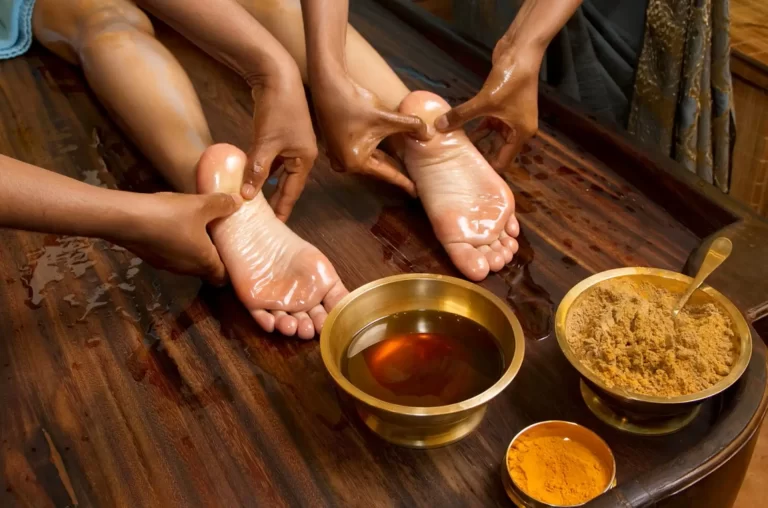
Conditions We Manage
Our neuro care program is designed to support individuals with a variety of neurological concerns, including:
- Degenerative Disorders: Parkinson’s Disease (Kampavata), Alzheimer’s, and Multiple Sclerosis.
- Stroke & Paralysis: Post-stroke rehabilitation (Pakshaghata) and Hemiplegia.
- Nerve-Related Pain & Inflammation: Sciatica (Gridhrasi), Trigeminal Neuralgia, Peripheral Neuropathy, and Brachial Neuritis.
- Auto-Immune & Functional Disorders: Bell’s Palsy (Ardit), Epilepsy (Apasmara), and Migraines (Ardhavabhedak).
- Musculoskeletal Issues: Cervical Spondylosis (Manyastambha) and Frozen Shoulder (Avabahuk).
The Ananthadhri Pathway to Neurological Wellness
We believe in treating the person, not just the diagnosis. Your journey begins with a deep assessment of your unique constitution (Prakriti), the nature of the imbalance (Vikriti), and your overall health.
Our multi-faceted treatment approach includes:
- Purification & Detoxification (Panchakarma):
- Basti (Medicated Enema): The cornerstone therapy for Vata disorders, Basti is crucial for nourishing the nervous system and clearing toxins from the colon, the main seat of Vata.
- Nasya (Nasal Administration): Medicated oils or powders are administered through the nasal passage to directly cleanse and rejuvenate the brain and cranial nerves.
- Virechana (Therapeutic Purgation): Cleanses the liver and blood, addressing Pitta-related inflammation that can accompany neurological issues.
- Raktamokshana (Bloodletting): Used in specific conditions to purify the blood and reduce inflammation.
- Rejuvenating External Therapies:
- Shirodhara: A continuous stream of warm oil on the forehead to profoundly calm the mind and nervous system.
- Pizhichil: A full-body oil bath that strengthens muscles, improves circulation, and rejuvenates the entire body.
- Nhavarakizhi: A bolus massage with medicated rice to nourish and strengthen muscle tissues.
- Shiropichu & Lepam: Localized applications of medicated oils and pastes to soothe affected areas.
- Internal Rejuvenation (Rasayana):
- Customized herbal and herbo-mineral formulations are prescribed to nourish the nerve tissue (Majja Dhatu), enhance cognitive function, and support the body’s innate healing intelligence.
- Lifestyle & Supportive Practices:
- Personalized dietary plans and daily routines (Dinacharya) to pacify Vata.
- Guidance on specific Yoga postures and Pranayama (breathing exercises) to improve neuromuscular coordination and reduce stress.
- Counseling and stress-management techniques to support mental and emotional well-being.
Why Choose Ananthadhri Ayurveda for Neuro Care?
- Expert, Compassionate Care: Dr. Swetha provides personalized care with a deep understanding of both Ayurvedic and modern neurology.
- Holistic, Root-Cause Approach: We address the underlying imbalances, not just the symptoms, for more sustainable results.
- Time-Tested Therapies: Our treatments are derived from classical Ayurvedic texts, offering a natural and side-effect-free path to healing.
- Integrated Support: We empower you with the knowledge and practices to support your health long-term.
Take the First Step Towards Neurological Balance
If you or a loved one is seeking a natural and comprehensive approach to managing a neurological condition, Ananthadhri is here to walk with you on the path to improved well-being.
Meet Our Dr. A.Swetha, MD (Ayu),
Frequently Asked Questions (FAQ`s)
What is Ayurveda's approach to neurological disorders and imbalance principles?
Ayurveda treats nervous system disorders by balancing humors, doshas (Vata, Pitta, Kapha), and agni (digestive fire). Practitioners assess dosha aggravation, blood and tissue circulation, and mental symptoms, then recommend personalized herbals, lifestyle, diet, and therapies like shirodhara to restore homeostasis and support neural healing through mindful care and patient participation.
Which common Ayurvedic therapies assist neurological condition management in practice?
Common therapies include panchakarma to detoxify, abhyanga oil massage for nerve mobility, shirodhara for calming the brain, nasya for cerebral nourishment, and medicated enemas (basti) to balance Vata. These are combined with herbal formulations to reduce inflammation and reinforce neuronal resilience along with dietary guidance, lifestyle adjustments, sleep hygiene practices.
Which foods support neurological health according to Ayurveda and guidelines?
Ayurveda recommends warm, cooked, easy-to-digest foods, with fresh ghee, nurturing spice balance, and herbs like bhringraj, ashwagandha, and turmeric. Favor grains, legumes, and olive oil, while avoiding excessive caffeine, processed sugar, and fried foods. Regular meals maintain dosha stability and nerve nourishment. Adequate hydration and sleep support overall neural health.
Are Ayurvedic herbs safe for neurological disorders when guided professionally?
Herbal safety depends on quality, dosage, and person-specific factors. Consult a skilled Ayurvedic practitioner before use of ashwagandha, Brahmi, jatamansi, or guggulu, especially with medications. Potential interactions, allergies, and liver or kidney considerations require supervision. Start with low doses and monitor symptoms. Report any adverse effects to your health care.
How long does Ayurvedic treatment typically take to show improvement?
Neurological recovery varies with condition, duration, and adherence. Initial improvements in sleep, stress, and digestion may appear within weeks; neural symptoms often respond over months with consistent therapies. A holistic plan combines herbs, lifestyle, massages, and study of triggers, enabling gradual, sustainable functioning and quality-of-life gains for long term wellbeing.